Finding a Trusted Roofing Contractor: Key Questions to Ask
Identifying a dependable roofing contractor is vital for any homeowner. Many elements come into play, from verifying credentials to reviewing project quotes. Property owners often experience obstacles in telling apart trustworthy contractors and those who may fall short of expectations. Key questions can help navigate this process. However, knowing what questions to raise and how to interpret replies can greatly influence the hiring process. What aspects should homeowners emphasize to secure a positive working relationship?
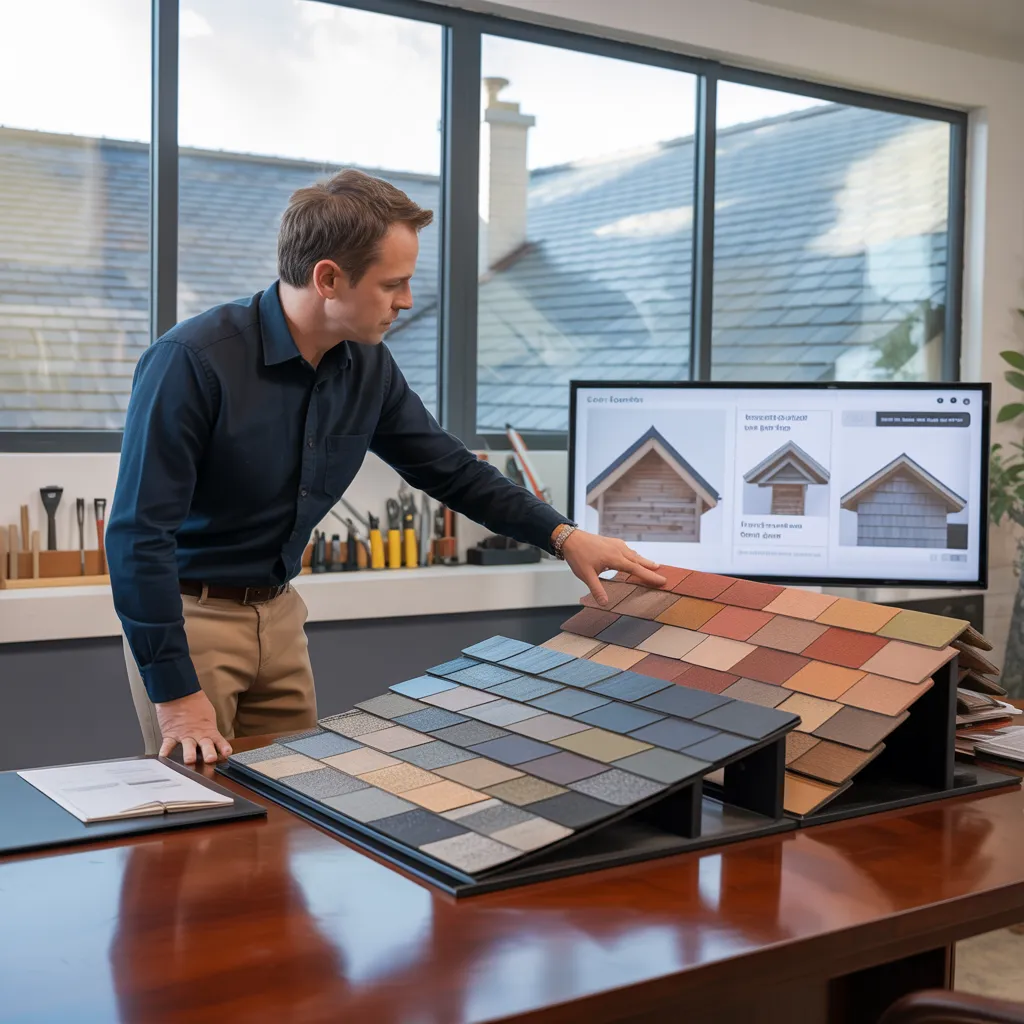
How to Avoid Scams When Hiring a Roofing Contractor
When looking for a roofing professional, vigilance is essential to avoid scams. Homeowners must perform careful due diligence before making any commitments. A practical approach is to gather several estimates from various contractors, which assists in spotting inflated costs. Checking online reviews and testimonials can offer valuable information about a contractor's reliability and quality of work. Additionally, checking the contractor's certifications, liability protection, and standing in the local market is essential.
Red flags often include contractors who insist on complete payment upfront or pressure homeowners into hasty decisions. A legitimate contractor should be willing to provide a comprehensive written quote and agreement. Clear communication is vital; a skilled contractor will be transparent and responsive throughout the process. Furthermore, it is prudent to consult local resources, such as the Better Business Bureau or similar agencies, to look into any reported concerns or unresolved matters. By adhering to these guidelines, homeowners can substantially minimize their exposure to roofing scams.
What Certifications Should Your Roofing Contractor Hold to Ensure Excellence?
To guarantee high standards in roofing services, residents should seek out contractors with specific credentials and qualifications. First, a valid license confirms that the contractor adheres to regional requirements and professional standards. Property owners should also check proper insurance, including liability and worker's compensation, to guard against potential liabilities during the project. Moreover, credentials from well-known manufacturers indicate that the contractor has undergone specialized training and upholds best practices. Association with professional organizations, such as the NRCA, can also reflect a devotion to professional standards and continuous professional development in the field. Property owners should investigate warranties offered on materials and workmanship, as these demonstrate the contractor's confidence in their services. By focusing on these credentials, homeowners can be confident they engage a roofing contractor able to provide superior results and a reliable roofing system.
How to Gauge a Roofing Contractor's Experience and References
Evaluating a roofing contractor's qualifications and references is crucial for making an informed decision. This procedure includes confirming industry certifications, requesting a project portfolio, and thoroughly checking references. Each of these steps delivers insight into the contractor's expertise and track record.
Confirm Industry Certifications
When examining a roofing contractor's capabilities, verifying industry certifications serves as an essential step in establishing their competence and trustworthiness. Accreditations from established organizations, such as the National Roofing Contractors Association (NRCA) or designated manufacturer accreditations, demonstrate that the contractor follows industry standards and proven practices. These certifications often require ongoing education and training, guaranteeing that contractors remain current with modern techniques and materials. Furthermore, it is wise to verify that the contractor maintains proper licenses and insurance, which provide protection for both the client and the contractor. This verification process not only affirms the contractor's qualifications but also enhances trust, delivering confidence that the job will be executed to the highest standard.
Access Project Portfolio
How can homeowners effectively gauge a roofing contractor's skill level? One effective method is by requesting a project portfolio. This compilation displays completed work, allowing homeowners to assess the contractor's skills and style. A thorough portfolio generally contains images, project descriptions, and details about the materials used. Homeowners should look for projects that resemble their own needs, whether in design, scale, or difficulty. Additionally, reviewing a range of completed projects can demonstrate the contractor's adaptability and knowledge of multiple roofing methods. By analyzing these examples, homeowners can make informed decisions about the contractor's qualifications, ensuring they select a professional with a proven track record. Ultimately, a well-curated portfolio functions as an essential resource for assessment.
Carefully Review All References
What steps can homeowners take to guarantee they are hiring a reliable roofing contractor? Checking references thoroughly is essential. Homeowners should request a list of previous clients and reach out to them to inquire about their experiences. Important inquiries should cover the contractor's ability to communicate, punctuality in meeting deadlines, and the caliber of their workmanship. Additionally, homeowners should verify the contractor's experience with similar roofing projects, ensuring they have handled installations or repairs that match their specific needs. Online reviews and testimonials can provide further insight, but personal references often yield more nuanced feedback. By thoroughly reviewing references, homeowners can develop assurance in the contractor's consistency and craftsmanship, resulting in a more educated and confident hiring decision.
What to Address When Talking About Pricing and Project Estimates?
When reviewing pricing and project estimates, homeowners should thoroughly assess several key factors to ensure a successful roofing project. First, acquiring several quotes provides a basis for comparison, ensuring a fair price. Homeowners ought to request regarding the scope of work detailed in each quote to prevent unforeseen expenses later on. It is essential to clarify the payment terms, including any necessary upfront deposits and the payment schedule for future installments.
Additionally, it is important for homeowners to discuss the specific materials required, as quality has a significant effect on the overall price. Understanding potential additional costs, such as permits or disposal fees, is also essential. Homeowners ought to ensure that the estimate includes a comprehensive breakdown, helping them determine where the budget is distributed. Lastly, they should seek clarity on the timeline for project completion to guarantee it aligns with their expectations. Open and honest communication regarding these aspects will serve to strengthen mutual trust and transparency among homeowners and contractors.
What Warranties Ought Your Roofing Contractor to Offer?
A strong warranty can serve as an important safeguard for homeowners investing in new roofing. It is vital for property owners to familiarize themselves with the types of warranties available from professional roofing contractors. Typically, there are two primary types: workmanship warranties and manufacturer warranties. Manufacturer warranties cover roofing material defects, while workmanship warranties cover installation errors.
Homeowners would benefit from asking about the duration of these warranties, as they can differ significantly. A reputable roofing professional could provide a warranty spanning 10 to 50 years, depending on the type of materials. Furthermore, it is important to clarify what particular problems are included and what is not covered.
Property owners are also advised to ask if the warranty is assignable, which can be a significant advantage if they plan to put the home on the market. Familiarizing yourself with these warranty terms can offer reassurance and safeguard against future expenses related to roof-related problems.
How to Gauge Their Communication and Customer Service?
In what ways can homeowners properly gauge a roofing contractor's communication abilities and customer service quality? Through careful observation of early interactions, homeowners are able to obtain meaningful information. Prompt responses to inquiries, whether through phone calls or emails, signal a contractor's commitment to customer service. Furthermore, clear explanations regarding services, pricing, and schedules are critically important; contractors should be willing to break down complex information into understandable terms.
Property owners should additionally consider whether the contractor carefully listens to their concerns and provides thorough answers to their questions. A dependable contractor will exhibit patience and a true dedication to resolving client concerns. In addition, reading online reviews and seeking recommendations can provide additional context regarding the contractor's communication style and service quality. In the end, strong communication serves as a key sign of professionalism and dependability, assisting homeowners in making well-informed choices when choosing a roofing contractor.
What to Know About Project Timelines and Management
Grasping project timelines and management is vital for homeowners beginning a roofing project, as these elements directly affect the overall experience and satisfaction. A reputable contractor should provide a detailed schedule outlining key milestones, including start and completion dates. Homeowners should seek information regarding potential delays, such as weather conditions or material availability, which can disrupt timelines.
Successful project management involves regular updates and communication. Homeowners ought to inquire about how the contractor will communicate with them throughout the process and who will act as their main point of contact. In addition, having a clear understanding of the management strategy can help homeowners gauge the contractor's capability of addressing unexpected issues.
Ultimately, reviewing previous project timelines and outcomes can yield insights into the contractor's dependability and effectiveness. By considering these factors, homeowners can arrive at educated choices, guaranteeing a more seamless roofing process while reducing interruptions to their everyday routines.
Common Questions and Answers
How Can I Verify a Contractor's Insurance Coverage?
To confirm a contractor's insurance policy, you should obtain a copy of their certificate of insurance in person, making sure it contains the required specifics. In addition, reaching out to the insurance company helps confirm the policy's authenticity and specific coverage terms.
Which Materials Would You Suggest for My Particular Roofing Requirements?
The professional contractor advised traditional asphalt shingles because of their resilience and budget-friendly qualities, as well as metal roofing systems for longevity and energy efficiency. They emphasized the significance of taking into account the surrounding climate and the residence's architectural characteristics during the material selection process.
Is There a Physical Location Available for Me to Visit?
The contractor confirmed they operate a physical business location, which learn the facts clients are welcome to visit. This gives prospective clients to assess the company's credibility and professionalism while fostering trust through in-person visits and observation.
Will You Manage All the Necessary Permits for the Project?
The contractor assured us they would manage all necessary permits for this project. This assurance provided peace of mind, reflecting their knowledge and dedication to adhering to local regulations, providing a smooth and fully compliant roofing process.
What Steps Do You Take to Resolve Conflicts That Arise During the Project?
The contractor outlined a transparent conflict resolution procedure, emphasizing transparent dialogue and mediation as primary steps. They also stressed their commitment to handling concerns without delay to copyright project progress and client contentment throughout the process.